csr: energy impacts

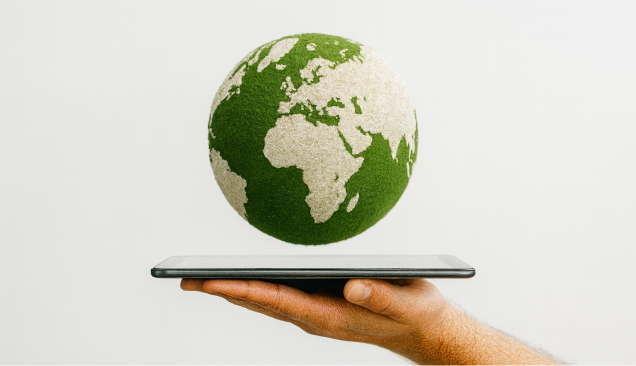
For a long time, we considered that our “digital” activities had little or no impact on the environment. Today, this is no longer the case. Although the figures presented below are debatable, there is a consensus on the orders of magnitude that really matter.
Take the impact of e-mails, for example. In 2018, e-mail use (300 billion daily) generated several hundred million tonnes ofCO2. This represents about half of what air traffic generated over the same period… This balance includes exchanges, the storage of e-mails on servers (stored e-mails are indexed and saved, often on remote servers), the manufacture of equipment…
Today, it is generally accepted that this traffic (and therefore its carbon footprint) doubles every 4 years. At this rate, e-mails could become a greater contributor toCO2 emissions than all human activity within a few decades.
And of course, e-mails are only part of theCO2 footprint of “digital”: equipment (servers, routers, computers, tablets, smartphones, connected baubles…) has to be manufactured/recycled and powered, and web traffic is not limited to e-mails. Think searches, site consultations, online storage, streaming…
- Keep only the emails you need (mail servers consume energy to scan, save… all the messages they store).
- Limit the number of recipients to the strict minimum, including when replying.
- Send a shortcut instead of a file whenever possible (which is also less risky from a cybersecurity point of view).
- Going directly to a site (saved as a favorite, for example) instead of using a search engine, dividesCO2 emissions by 4. Google processes 3.5 billion requests a day, and accounts for a third of the Internet’s electricity consumption (including all services).
- Compress attachments and send photos in low resolution, unsubscribe from newsletters and unnecessary advertising…
- And store your data locally to limit the use of cloud storage and clean up to limit the volume you store in the cloud (DropBox, Google, NetExplorer…).
Everyone can make a significant impact on their digital footprint (10% of your total electricity consumption) by changing their habits a little.
And of course these measures are not incompatible with the common-sense measures we have already recommended (use of standby mode, switching off machines at night, managing lighting as efficiently as possible, sorting waste, using paper sparingly…).
It’s not for nothing that Médiane Système has made the gradual reduction of its digital footprint one of its strategic priorities for the coming years.